Capacity Building
Transform your capacity.
Transform your capacity to design and implement impact measurement to drive strategic design-making.
Our workshops are co-designed with subject matter experts to ensure actionable insights, tangible tips and tools, and engaging activities.
You’ll walk away with “how-to” curated knowledge products, templates, and tools that can be applied to your work.
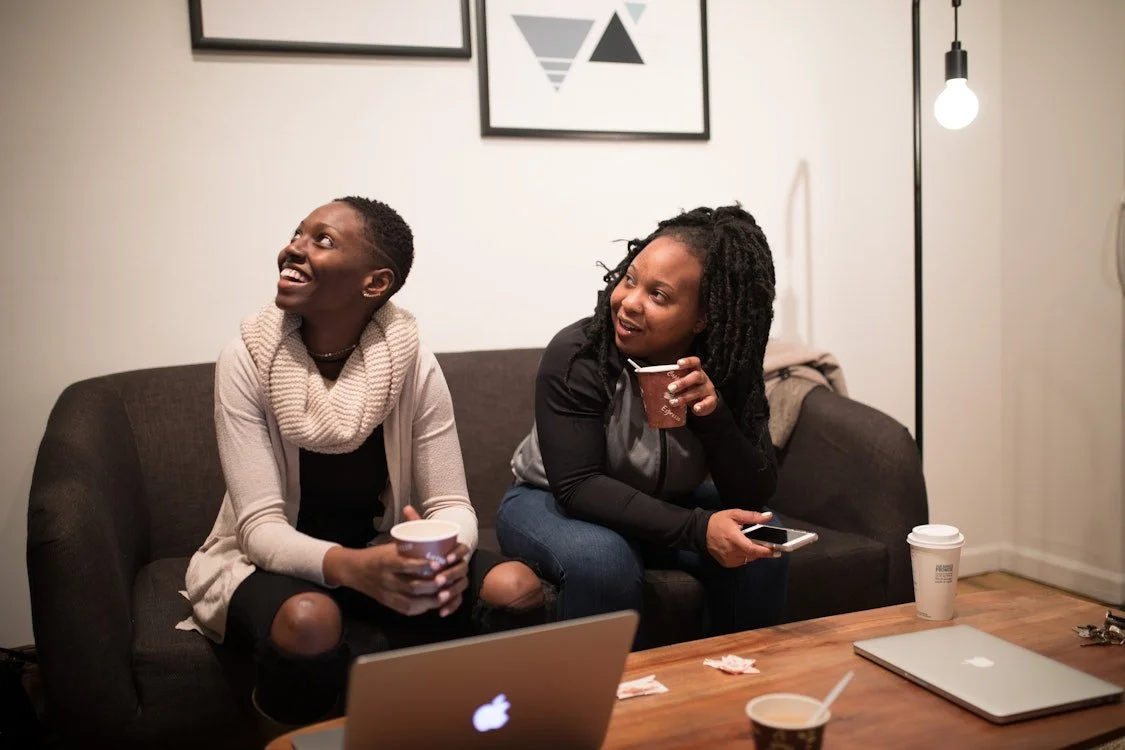
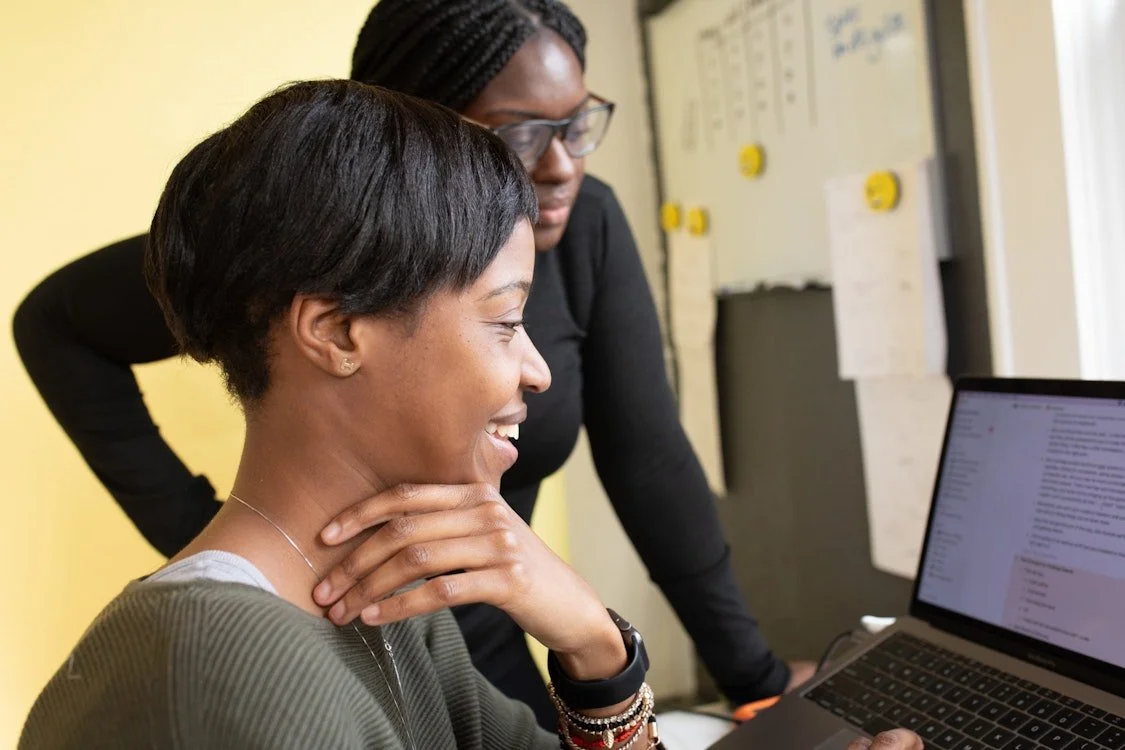
All workshops can be tailored to fit your specific needs. We offer virtual or in-person workshops depending on location and preferences.
Book an introductory call to learn more here.
Workshop 1:
Intro to Evaluation & Impact Measurement

This workshop offers the fundamentals of how to assess the effectiveness of your skills training program or initiative.
Explore:
Key definitions
Common evaluation approaches
Understand how to apply diverse methods and tools to measure success
Identify the steps needed to improve your approach continuously.
Blending practical insights, hands-on activities, and tailored case studies for the application of essential tools and practices to design and implement your own impact measurement strategy.
Learning outcomes:
How to conduct a needs assessment
Develop a theory of change and/or logic model
Evaluation strategy and planning
Data collection and analysis (qualitative and quantitative)
Sharing your results in engaging and impactful ways
Knowledge mobilization
Bonus: How to use AI tools
Workshop 2: Knowledge Mobilization Planning
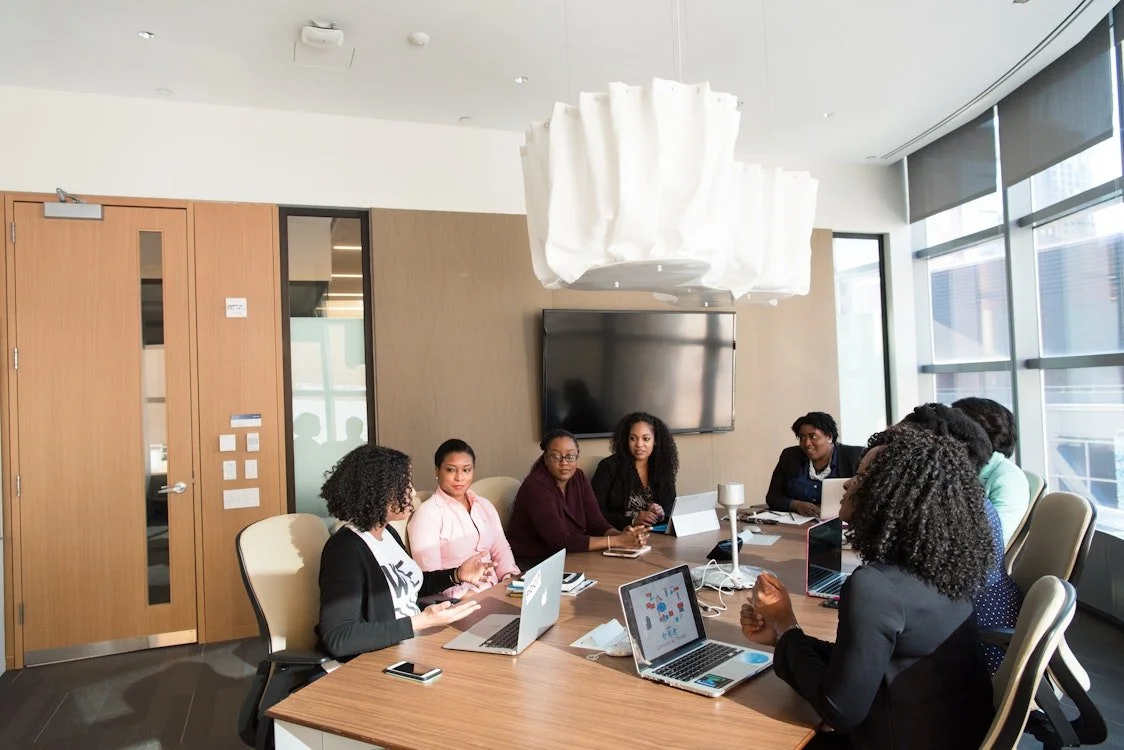
How do you communicate the impact of your skills training program to funders? How do you show communities that you’re working for them?
Knowledge Mobilization includes a wide range of activities relating to the production and use of evidence by knowledge users to create impact.
For skills training initiatives looking to drive insights into impact, communicate results to diverse audiences, and ensure that actionable evidence is put in the right hands (and used), this workshop will introduce concepts of knowledge mobilization and how it can be applied to your work.
Learning outcomes:
What is knowledge mobilization?
How to assess your readiness to mobilize knowledge
How to design knowledge products (e.g., reports, powerpoint, blog posts, “how to” guides and templates)
How to create visual and creative tools (e.g., infographics, videos)
How to plan knowledge events (e.g., workshops, webinars, conferences, plenaries)
Workshop 3:
User Experience Research for Impact
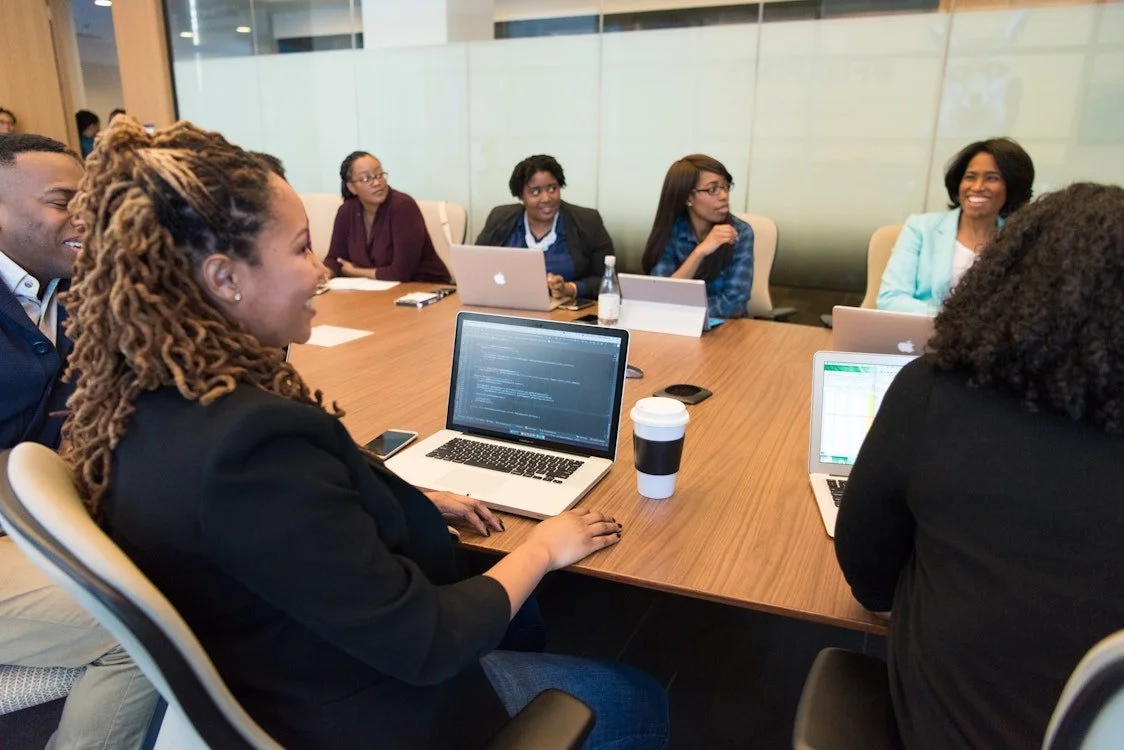
Want to learn how to design inclusive user experience and qualitative approaches to understand the experiences of your clients as they define their employment goals, upgrade their skills, or train for an in-demand career?
This workshop focuses on implementing user experience (UX) research approaches that uncover insights into how people experience your skills training program or initiative.
Use these insights to redesign your approach so you can support robust talent development.
Learning outcomes:
How to design a UX research plan
Trauma-informed approaches to qualitative/UX research
How to analyze and interpret qualitative/UX data
How to use insights and findings to implement practical change
Workshop 4: Community-Based Research for Skills Program Design

Community-based research (CBR) is a method that focuses on collaboratively designing research by engaging community members who are meant to benefit from the research.
CBR centres the wisdom and knowledge of community members who are meant to benefit from the results of research.
This approach allows for more active and equal partnerships between organizations and the people they serve to meaningfully facilitate impact.
You will learn how CBR can help you design a skills training program or initiative, including how to inclusively engage the community in research design, evidence collection, and knowledge sharing.
Learning outcomes:
How to bring diverse expertise for collaboration amongst community leaders, organizations, and scholars
How to identify skills gaps within your community
How to co-create an effective and meaningful skills training program
Co-create relevant training curriculum and materials, and
How to evaluate the effectiveness of your program or initiative.
How to translate research findings to communities to design culturally tailored programs or initiatives.